


European Windows for Commercial Projects
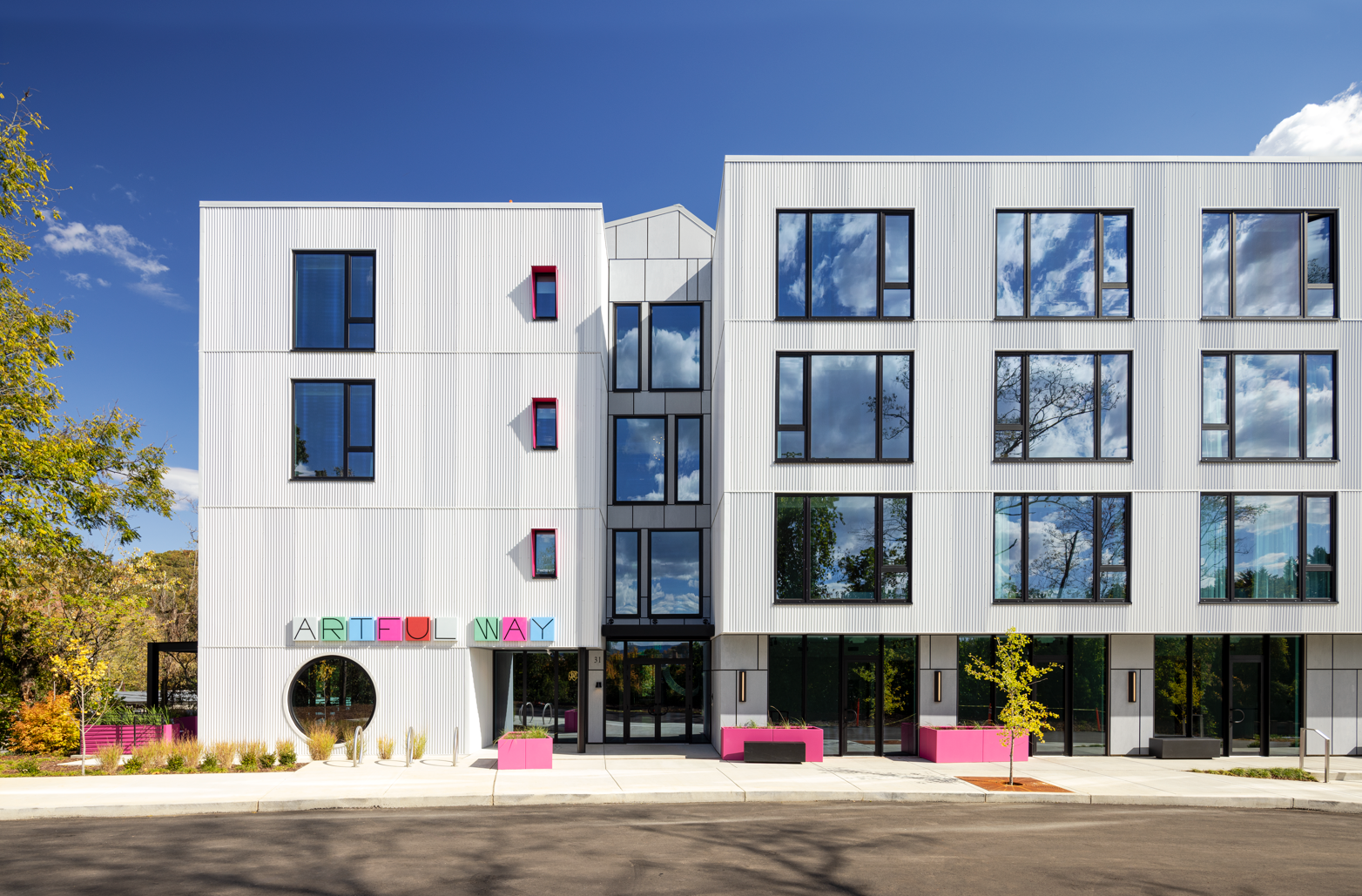
A more refined approach to commercial fenestration
Commercial buildings are often designed around a balance of performance, efficiency, and practicality. But the most memorable spaces go further. They create an experience through proportion, material, light, and connection to the outdoors. European window systems offer architects another opportunity to achieve that level of refinement.
Known for their clean profiles, precise engineering, expansive glazing, and highly considered hardware, European windows can bring a distinctly elevated character to commercial environments. They allow the window to become more than a necessary component of the building envelope—it can become an intentional part of the architecture. For hospitality, multifamily, office, retail, and other commercial applications, European fenestration can provide a sophisticated alternative when conventional window systems do not fully align with the design vision.
When the window becomes part of the architecture
In many commercial projects, windows are treated primarily as performance components: meet the required specifications, provide daylight, and coordinate with the façade. But fenestration has a much larger influence on the experience of a space. The size and proportion of an opening can change how a room feels. The sightline of the frame can influence how strongly the occupant perceives the boundary between interior and exterior. Hardware can reinforce the character of the architecture. And the way a window opens can change how people interact with a space. European window systems give architects greater opportunity to consider all of these elements together. Rather than designing around a conventional window as a fixed product, the window can be considered as part of the architectural composition from the beginning.
Elevating the Commercial Interior
One of the defining qualities of European-inspired fenestration is its ability to create a more refined relationship between the interior and exterior. Slim, carefully proportioned frames can place greater emphasis on glass and daylight. Large openings can create stronger visual connections to courtyards, terraces, streetscapes, gardens, or views. And thoughtfully designed operating configurations can make the opening itself part of the occupant experience. This can be particularly valuable in commercial environments where the quality of the interior experience directly contributes to the identity of the property.
Hospitality
In hotels, restaurants, and resorts, the window can help establish the atmosphere of a space.
A carefully detailed opening can bring natural light deeper into a dining room, connect guest spaces to a terrace or landscape, or create a stronger relationship between a lobby and the surrounding property.
Here, fenestration becomes part of the hospitality experience rather than simply a background element.
Multifamily
In multifamily projects, windows are among the most visible and frequently interacted-with elements of a residence. European systems can help create a more residential, refined feel through thoughtful proportions, high-quality hardware, expansive glazing, and sophisticated operating configurations. For higher-end developments, this level of detailing can contribute to the overall perception of quality.
Office
The modern workplace increasingly places emphasis on daylight, views, comfort, and connection to the exterior. European windows can support these goals while introducing a more intentional architectural expression. Large glazed openings can help break down the perceived boundary between interior and exterior, while operable configurations can give occupants greater interaction with the façade.
Retail and Mixed-Use
In retail and mixed-use environments, architecture has to capture attention while creating an inviting experience. Large openings, refined frames, and carefully considered proportions can help create storefronts, entrances, amenity spaces, and common areas that feel more distinctive.
The result can be a façade that feels less standardized and more closely tied to the identity of the development.
The Details Make the Difference
European windows are often recognized for their aesthetics, but their appeal goes beyond appearance.
The philosophy behind many European systems is one of integrated design. Frame profiles, hardware, seals, glazing, operating mechanisms, and finishes are engineered as part of a complete system.
For architects, that approach can create opportunities to consider details that are often overlooked in conventional commercial fenestration.
Hardware as an Architectural Element
Hardware does not have to disappear. In a well-designed window, the handle can become a small but meaningful expression of the architecture. Its proportion, finish, operation, and relationship to the frame can reinforce the material palette of the interior. This is especially relevant in hospitality, residential, and boutique commercial environments where occupants interact directly with the window.
Sightlines and Proportion
The frame is part of the visual composition of the façade. Reducing unnecessary visual mass can place greater emphasis on glass, daylight, and the view beyond. At the same time, the appropriate profile depends on structural requirements, glazing dimensions, wind loads, thermal conditions, and the specific system being specified. The goal is not simply to make a frame as narrow as possible. The goal is to create the right proportion for the architecture.
Opening Configurations
A window does not have to function only as a fixed pane.
Tilt-and-turn, lift-and-slide, casement, awning, and other European-inspired operating configurations can provide architects with additional ways to control ventilation, access, views, and the relationship between interior and exterior spaces.
This can be particularly valuable when the building program calls for flexibility.
Performance Without Compromising Design
Elevated design should not mean sacrificing performance. The most successful commercial fenestration solutions bring aesthetics and building-envelope requirements together. Depending on the system, European windows can be engineered to address thermal performance, air infiltration, water management, acoustic requirements, solar exposure, and structural demands. However, architects should evaluate the specific system and tested assembly, rather than assuming that all European windows perform identically.
Performance depends on factors including:
• Frame construction
• Thermal breaks and insulation
• Glazing selection
• Air and water seals
• Hardware
• Installation
• Size and configuration
• Project-specific climate and exposure
For commercial projects, these considerations should be integrated into the specification process early, particularly when large openings or non-standard configurations are being considered.
European Windows as a Design Strategy
Choosing a European window system does not necessarily mean making the building look European.
Instead, it can provide architects with a different set of tools. The same underlying design principles can support a wide range of architectural languages—from warm contemporary hospitality to minimalist commercial interiors, sophisticated multifamily developments, adaptive reuse, and modern mixed-use projects. The value is in the flexibility to make the fenestration support the architecture rather than allowing the available window system to dictate it.
Consider European systems when:
The view is part of the design.
When landscape, city views, courtyards, or outdoor amenities are important to the experience, the window can become the transition between the two.
The project demands a refined level of detail.
High-end commercial environments benefit from consistency in proportions, finishes, hardware, and material transitions.
The interior and exterior need to feel connected.
Large openings and carefully designed profiles can help establish a stronger visual relationship with the outdoors.
The window needs to contribute to the experience.
Operability, hardware, and opening configurations can become meaningful components of the interior architecture.
Conventional systems feel limiting.
When standard commercial fenestration does not align with the project's proportions, aesthetics, or performance goals, European systems can provide an alternative path.
Designing Beyond the Standard
Commercial architecture does not have to be defined by standard solutions. A window occupies a relatively small portion of a project, but its impact can extend across the entire experience—from the appearance of the façade to the quality of daylight, the character of an interior, and the connection occupants feel with the outdoors.
European window systems offer architects an opportunity to reconsider that role.
They can introduce refined proportions, sophisticated operation, expansive glazing, and carefully resolved details while supporting the performance requirements of contemporary commercial buildings. The result is not simply a better window. It is an opportunity to elevate the space around it.
A Different Perspective on Commercial Fenestration
For architects looking to create commercial environments that feel considered, distinctive, and enduring, European windows can be an important part of the design conversation. The question is not whether a European window is necessary for every project. It is whether the project would benefit from a fenestration system that places greater emphasis on design, experience, and detail. When the answer is yes, the window can become one of the tools that moves a project from functional to exceptional.
